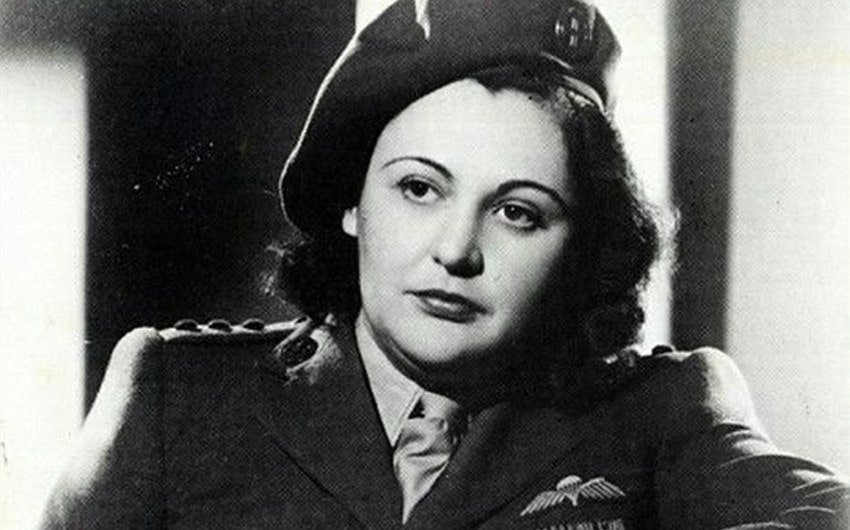
Henri Fiocca: Nancy Wake Husband and the Love Story Shaped by War, Courage, and Tragedy
If you know the story of Nancy Wake — one of the most celebrated heroines of World War II — you’ve probably wondered about Henri Fiocca: Nancy Wake husband and the man whose love and sacrifice played a defining role in her extraordinary life. Nancy Wake, known as “The White Mouse” for her ability to evade the Gestapo, was bold, fearless, and cunning. Her wartime accomplishments are legendary. But behind her bravery stood a husband whose devotion empowered her resistance — and whose ultimate fate left a permanent mark on her heart.
This article explores the full story of Henri Fiocca, his marriage to Nancy Wake, how he supported her Resistance work, and how his tragic death fueled her fight against the Nazis.
Who Was Nancy Wake? Understanding Her Before Exploring Her Marriage
Before diving into Henri Fiocca: Nancy Wake husband, it’s important to understand the woman whose life he helped shape.
Nancy Wake was:
- A New Zealand–born, Australia-raised journalist
- A prominent member of the French Resistance
- A spy and Special Operations Executive (SOE) agent
- One of the Gestapo’s most-wanted individuals
- A woman who carried messages, smuggled refugees, organized Resistance fighters, and even parachuted behind enemy lines
Her wartime valor earned her multiple medals, including honors from France, Britain, Australia, and the United States. She was fearless, sharp-tongued, and often described as glamorous even while blowing up bridges and disrupting German operations.
But before becoming a wartime legend, she was a young woman who fell deeply in love.
So…Who Was Henri Fiocca? Nancy Wake’s Husband and Devoted Partner
Henri Fiocca was a wealthy French businessman from Marseille who became Nancy Wake’s first husband. Born into an affluent family, Henri ran a successful import-export company and was known for his charm, generosity, and quiet strength.
He was not a soldier or a political leader. Yet he played a crucial role in Nancy’s life — offering support, safety, and unconditional love at a time when Europe stood on the edge of catastrophe.
How Nancy Wake and Henri Fiocca First Met
Nancy met Henri Fiocca in the early 1930s while living in Marseille as a journalist. She had been traveling across Europe reporting on rising fascism, poverty, and political unrest. When she met Henri, she found something unexpected: stability, comfort, and affection.
Nancy described Henri as:
- Handsome
- Gracious
- Thoughtful
- Ethical
- Deeply supportive of her independence
Their social circles overlapped, and they quickly became inseparable. Henri admired Nancy’s intelligence and adventurous spirit, while Nancy valued Henri’s kindness and steadiness.
Their romance grew quickly, turning into a partnership built on trust and profound mutual respect.
Their Marriage: A Love Rooted in Strength and Loyalty
Nancy Wake married Henri Fiocca in 1939, just before the outbreak of World War II. Their newlywed years should have been spent enjoying comfort and prosperity; instead, Europe was thrust into conflict.
Despite the turmoil, their marriage flourished. Nancy often said Henri never tried to control her, silence her, or shape her into something she wasn’t — a rare quality in that era.
Their home in Marseille became a place of warmth, laughter, and companionship, even as the political situation worsened.
Henri’s Support of Nancy’s Resistance Work
When France fell to the Nazis, Nancy Wake refused to sit on the sidelines. She joined the Resistance as a courier, guide, and smuggler. She ferried Allied soldiers, Jews, and members of the Resistance across the border into Spain. She collected intelligence and delivered secret messages. Her work became increasingly dangerous.
At every step, Henri supported her.
He financed Resistance activities
Henri used his wealth to help Nancy pay for forged documents, vehicles, bribes, and safehouse operations. His money helped save countless lives.
He protected her identity
Henri shielded Nancy from suspicion by maintaining social ties with the Vichy elite. His position offered her cover.
He encouraged her
Even when her operations grew perilous, he never forbade her from fighting. Instead, he admired her courage.
Nancy later said:
“Henri never tried to stop me. If he had, I wouldn’t have married him.”
Their love was rooted in freedom — the freedom to be who they truly were, even in the face of danger.
Why Nancy Wake Had to Flee — And How It Changed Their Lives Forever
As Nancy’s involvement in the Resistance intensified, the Gestapo took notice. They gave her the nickname “The White Mouse” because she was impossible to catch. She became one of the most-wanted people in France.
Eventually, the Gestapo closed in. Nancy knew she had to escape or risk capture — and torture.
In 1943, she fled France with the help of the Resistance, traveling through several safehouses before crossing the Pyrenees into Spain.
Her escape was necessary. But it meant leaving Henri behind.
Nancy hoped to reunite with him after the war, never imagining the tragedy that awaited her.
Henri Fiocca’s Death: A Heartbreaking Sacrifice
After Nancy escaped, the Gestapo arrested Henri Fiocca. They interrogated him brutally, demanding he reveal Nancy’s location. He refused.
His refusal cost him his life.
Henri Fiocca was executed by the Nazis in 1943.
Nancy did not learn of his death until after the war ended. She spent years believing he had somehow survived. When she finally learned the truth, she was devastated.
She later said that discovering Henri’s death was one of the greatest heartbreaks of her life — a loss she carried forever.
How Henri’s Death Fueled Nancy Wake’s Determination
Henri’s execution did not break Nancy. Instead, it strengthened her resolve.
After escaping France, she joined the British SOE (Special Operations Executive). She trained as a spy, parachuted back into France, coordinated guerrilla warfare, and led thousands of Resistance fighters. She blew up rail lines, destroyed German communications, organized arms drops, and even killed a German soldier with her bare hands.
Every act of sabotage, every mission, and every victory was fueled in part by the memory of Henri.
Her courage was legendary — and deeply personal.
Nancy Wake After the War: A Life Shaped by Love and Loss
After the war, Nancy returned to Marseille to search for Henri and to find the truth about his fate. His family confirmed her worst fears.
Nancy eventually remarried in 1957 to John Forward, an RAF officer. Though she loved her second husband dearly, she admitted that she never forgot Henri Fiocca, the man who believed in her when no one else did.
Why the Story of Henri Fiocca Is So Important
Henri Fiocca is often overshadowed by Nancy Wake’s enormous wartime accomplishments, but his story deserves equal recognition.
He symbolizes:
- Courage in the face of brutality
- Unconditional love
- Sacrifice for a greater cause
- The quiet strength behind a legendary woman
Without Henri, Nancy’s Resistance work might not have unfolded the way it did. His support, emotionally and financially, played an essential role in shaping her wartime path.
A Legacy of Love and Bravery
The story of Henri Fiocca: Nancy Wake husband is not just a romantic tale. It is a story about partnership, courage, sacrifice, and the personal cost of war.
Henri’s death was not in vain. His bravery lives on in Nancy’s wartime achievements, in the countless lives she saved, and in the legacy of freedom that both of them helped protect.
His love gave Nancy the strength to fight.
Her fight honored him for the rest of her life.
Featured image source: Pinterest